
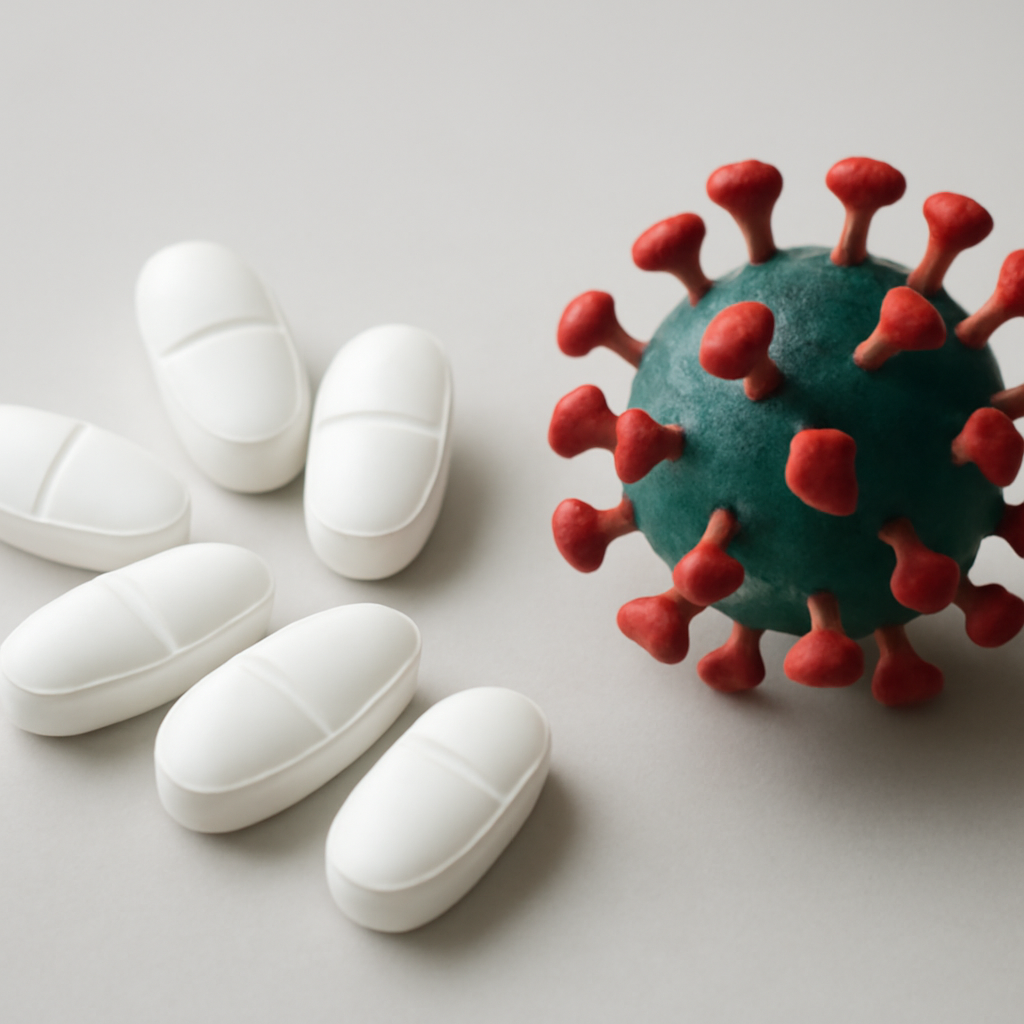
Antiviral medicines are drugs that reduce a virus’s ability to multiply inside your cells. They don’t work the same way for every infection: some target a viral enzyme needed to copy genetic material, others block the virus from entering or leaving cells, and a few help the immune system fight the invader. By interrupting stages of the virus life cycle, antivirals can shorten illness, lower complications, and — in a few diseases — help clear the infection entirely.
How antivirals act
Viruses need host cells to replicate, and scientists design antivirals to interfere with steps the virus uses to attach, enter, replicate, assemble or exit. Common mechanisms include:
- Polymerase or reverse-transcriptase inhibitors that block copying of viral RNA or DNA.
- Protease inhibitors that prevent viral proteins being processed into functional parts.
- Entry and fusion inhibitors that stop viruses from attaching to or fusing with host cells.
- Neuraminidase and other release inhibitors that reduce the spread of new viral particles.
Which infections can antivirals treat?
Approved antivirals exist for a range of viruses: influenza, herpesviruses, HIV, hepatitis B and C, some respiratory viruses, and others. Some infections respond to short courses of antivirals (for example certain influenza treatments), whereas chronic infections like HIV usually require long-term therapy to keep the virus suppressed.
Timing and effectiveness
For many acute viral illnesses, antivirals work best when started early — ideally within the first couple of days of symptoms. Early treatment can shorten illness, reduce complications, and for some exposures may prevent infection when given as post-exposure prophylaxis. For chronic viruses, consistent, prescribed therapy is key to long-term control.
Limits, safety and resistance
Antivirals are usually prescription-only and chosen to balance effectiveness against possible side effects and drug interactions. Because viruses can mutate, resistance can emerge if drugs are used improperly, started late, or stopped and restarted. That makes correct dosing, adherence, and clinical oversight important. In some cases, combinations of drugs from different classes are used to reduce the chance of resistance and improve outcomes.
Role versus vaccines and prevention
Vaccines reduce the chance of infection and remain the primary prevention tool for many viruses. Antivirals are an important secondary tool — used for treatment, to prevent infection after exposure in some scenarios, or to manage chronic infections. Public-health strategies typically combine vaccination, antiviral use when appropriate, and other measures like testing and infection control.
When to see a clinician
Contact your healthcare provider if you have symptoms of a viral illness and are at higher risk of complications (pregnancy, chronic lung or heart disease, immune suppression, or very young or old age). A clinician can advise whether antiviral treatment, testing, or other care is appropriate and will weigh benefits and risks based on the specific virus, your health status, and timing of symptoms.
Antiviral medicines are powerful tools but not universal cures; used promptly and under medical guidance, they reduce harm, speed recovery, and—together with vaccination and public-health measures—help control viral disease.

