
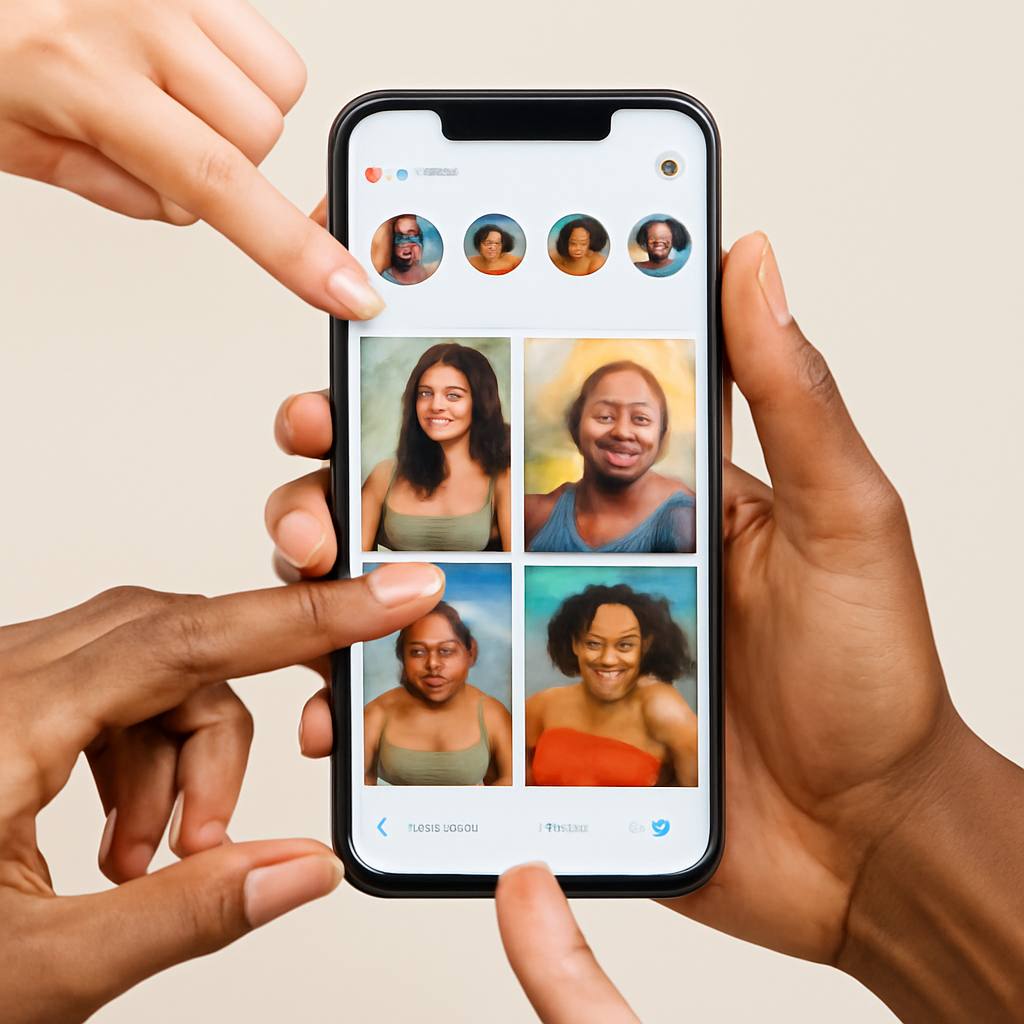
What Instagram is and what it does
Instagram is a visual-first social platform where people and businesses share photos, short videos and ephemeral posts, connect in direct messages, discover new accounts and — increasingly — shop. Over the last few years the app has shifted from a photo feed toward short-form video and algorithmic recommendations, while keeping core features such as Stories, the main feed, Explore, Reels, direct messages and in-app shopping.
Core features explained
- Feed — a personalized stream of posts from people you follow and recommended posts the system thinks you will like.
- Stories — ephemeral full-screen photos and videos that disappear after 24 hours and are designed for quick updates and candid moments.
- Reels — Instagram’s short-form video format for creative clips and trends; Reels are prioritized in many recommendation surfaces.
- Explore — a discovery space filled with suggested photos and videos based on your activity and interests.
- Shopping — product tags, storefronts and in-app checkout features that let people browse and buy without leaving the app (availability varies by country).
- Direct Messages (DMs) — private conversations, including one-to-one chats, group threads and business messaging tools.
How content reaches people
Instagram does not rely on a single “algorithm” but on multiple ranking systems and classifiers that evaluate signals from the post, the creator and the viewer. Important signals include the content type (photo, short video, Reel), your past interactions with the account, engagement metrics (likes, comments, saves, re-shares), and recency. For recommendation surfaces, the system also measures how often a type of content holds viewers’ attention and how broadly it performs across similar audiences. That combination determines whether a post appears to followers, on Explore, or as a recommended Reel.
What creators and businesses should focus on
- Use multiple formats: original posts, Stories, and Reels each reach different audiences and serve different goals.
- Short video performs especially well: Reels are a primary discovery surface and often deliver higher reach than static posts.
- Make the first seconds count: attention metrics matter, so lead with a clear hook and optimize for watch-through on Reels.
- Engage your community: replies, timely stories, and interactive stickers help strengthen relationships that boost distribution.
- Leverage shopping features if you sell products: product tags and in-app storefronts reduce friction between discovery and purchase.
Privacy and safety basics
Instagram has account privacy settings (private vs public), messaging controls, and tools aimed at younger users and families. Parents and guardians can use supervision tools to set time limits, review some account activity, and adjust message settings for teen accounts. If safety or privacy matters to you, check account-level controls, use two-factor authentication, and review who can tag or message you.
Practical tips for everyday users
- Curate your feed: mute or unfollow accounts that don’t add value and use “Close Friends” for selective sharing.
- Save content and use Collections to keep a reference library for later ideas or purchases.
- Limit time: use built-in time tools and app notifications to reduce unintentional scrolling.
- Verify accounts before acting on promotions or deals; check profile history and external links carefully.
Why this matters
Instagram remains one of the largest visual social platforms, blending personal sharing, creative expression and commerce. For individual users it offers ways to stay connected and discover new interests; for creators and businesses it is a distribution channel where format choice, creative hooks and community interaction drive reach. Understanding the mix of formats and the platform’s recommendation approach helps you use Instagram more intentionally and safely.

