
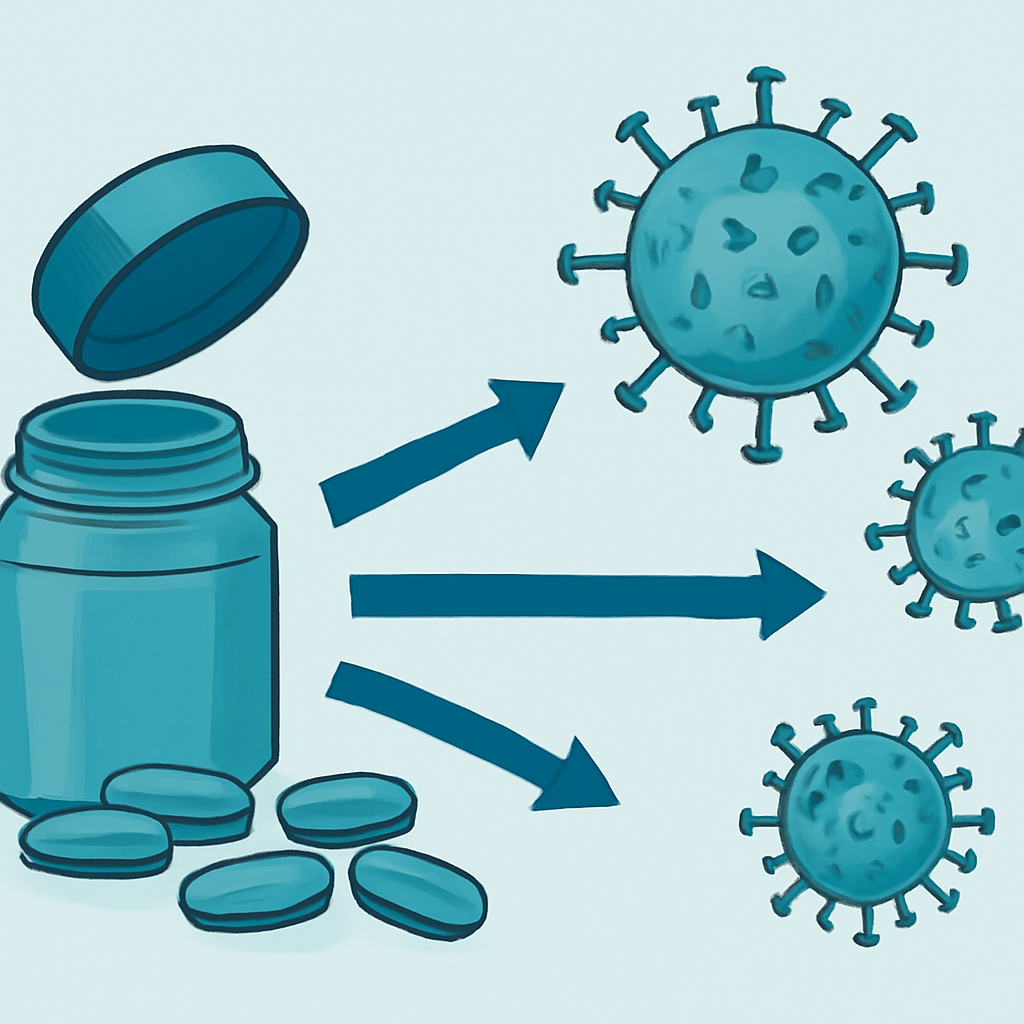
Antiviral drugs are medicines designed to stop viruses from multiplying in the body. Unlike antibiotics, which target bacteria, antivirals interfere with specific steps of a virus’s life cycle or with host processes the virus needs. They don’t replace vaccines or the immune system, but they can reduce symptoms, shorten illness, and lower the risk of severe complications when used appropriately.
How antivirals act
Viruses must attach to a cell, enter it, uncoat, copy their genetic material, assemble new particles and exit to infect other cells. Antiviral drugs are built to block one or more of those steps. Common strategies include entry inhibitors that stop a virus from getting into cells, drugs that block uncoating, nucleoside or nucleotide analogs that confuse or halt viral polymerases during genome replication, protease inhibitors that prevent viral proteins from maturing, and neuraminidase or other surface enzyme inhibitors that stop new virus particles from being released. Some newer approaches target host factors the virus needs rather than viral proteins, which can broaden activity but may raise safety concerns.
Examples and typical uses
Different antivirals are specific to particular viruses or virus families. For example, acyclovir and related drugs are active against herpesviruses; several classes of drugs treat HIV by targeting reverse transcriptase, integrase, or protease; influenza antivirals work on viral replication or release; and newer COVID-19 antivirals target the SARS-CoV-2 protease or polymerase. Some agents are oral pills, some inhaled, and others are intravenous — the formulation and dosing depend on the virus and how sick the patient is.
Timing, who benefits most, and limits
Antivirals generally work best when started early, because they act by limiting viral replication rather than repairing damage already done. For illnesses like influenza and many acute respiratory infections, beginning treatment within the first one to two days of symptoms produces the greatest benefit; starting later may still help people at high risk of complications or those who are hospitalized. Antivirals are tools for treatment, not substitutes for prevention: vaccines remain the primary strategy to avoid infection and severe disease.
Resistance and safety considerations
As with antibiotics, viruses can develop resistance to antivirals when mutations change the drug’s target or when drug exposure is suboptimal. Resistance risk depends on the virus, the drug target, and how the medication is used; combination therapy (using drugs with different targets) has been a key strategy to reduce resistance in long-term treatments such as HIV therapy. Because some antivirals act on host factors, clinicians must balance potential benefits with side effects. Regulatory guidance and clinical trials guide which patients should receive which medicines and how to monitor for drug interactions and adverse effects.
Practical takeaways
- Antivirals are virus-specific — they won’t treat bacterial infections and one antiviral rarely covers many different viruses.
- If you are in a group at higher risk for complications (older age, chronic conditions, pregnancy, immunosuppression), contact a health professional early if you have symptoms; prompt treatment can reduce the chance of severe illness.
- Vaccination and public-health measures remain the best defenses; antivirals are an important second line for treatment and outbreak response.
When questions arise about which antiviral is right for a particular situation, clinicians consult up-to-date regulatory guidance, prescribing information, and evidence from clinical trials to choose the safest and most effective option.

