
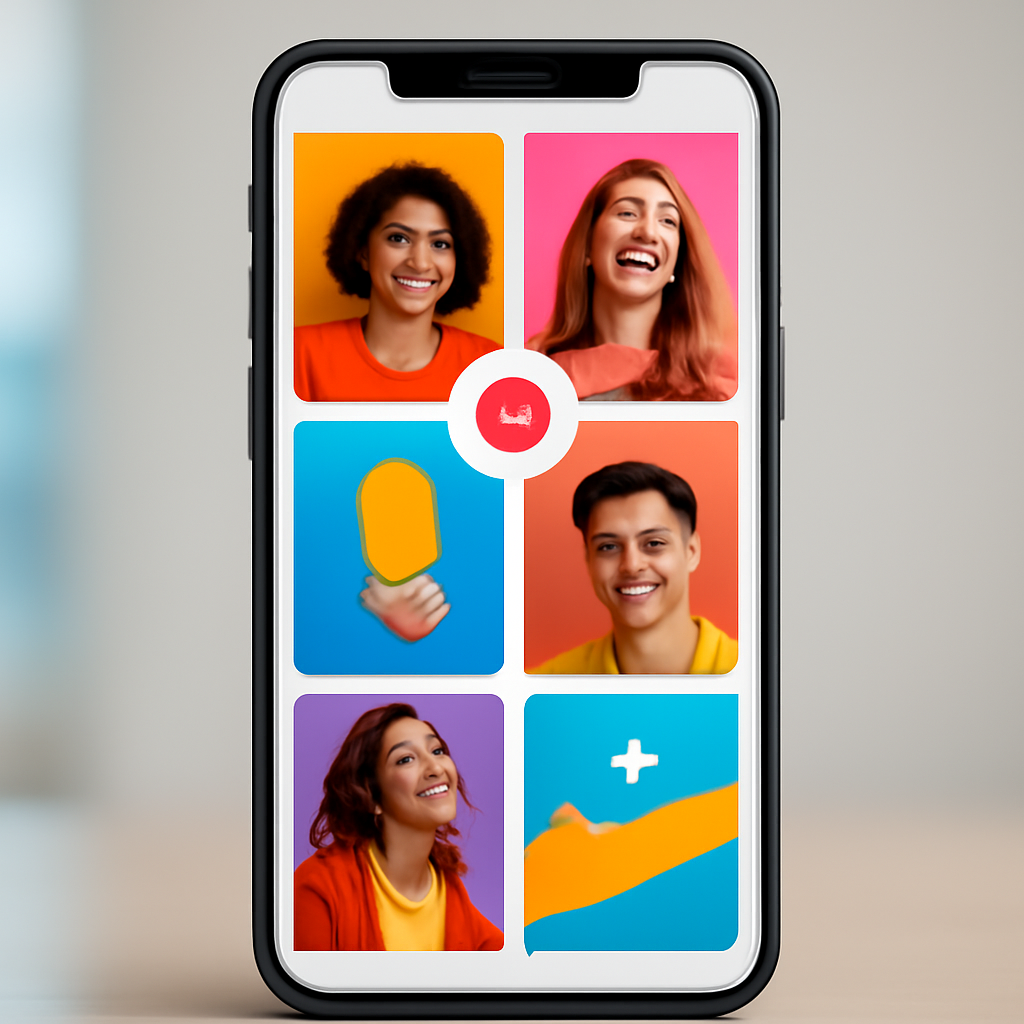
The For You feed is the personalized stream most people see first when they open the TikTok app. It’s not a single, static feed — it’s rebuilt continuously to predict what each person is most likely to watch, enjoy, and return for. Understanding the main signals behind those predictions helps both viewers shape their experience and creators increase the chances their videos get discovered.
Three signal groups that drive recommendations
Recommendation systems on the platform combine many signals, but they fall broadly into three categories:
- User interactions: what you like, share, comment on, follow, or explicitly mark “not interested” in — plus more subtle actions like whether you watch a video to the end or rewatch it.
- Video information: the metadata attached to a clip — captions, hashtags, sounds, effects, and on-screen text — which helps the system infer topics and formats.
- Device and account settings: choices like language, country, and device type that help optimize delivery and local relevance; these factors typically carry less weight than direct engagement signals.
Why watch time is especially important
Among engagement signals, time spent watching a video is one of the strongest indicators that a piece of content resonates. Finishing a longer clip, rewatching it, or lingering on a post tells the recommender more than a passive scroll. That focus on watch time means short loops, surprising edits, and hooks that encourage a replay often perform well.
How the system balances personalization and discovery
The feed is optimized for relevance, but it also intentionally mixes in new or diverse content so your feed doesn’t become monotonous. The algorithm will sometimes surface videos outside your established pattern to surface new creators, formats, or trends — a small amount of serendipity helps growth for creators and keeps viewers exploring.
Practical tips for creators
- Hook viewers in the first 1–3 seconds; immediate clarity about what the video delivers raises completion rates.
- Use clear captions, trending sounds, and relevant hashtags to help the platform classify content.
- Encourage meaningful engagement (questions in captions, calls to rewatch or duet) rather than asking only for likes.
- Test variations: slightly different edits or thumbnails can change whether a clip gets picked up by the system.
How users can shape their feed
If you want to see more of something, engage with it: like, follow, or watch similar videos fully. If you want less of something, use the platform’s controls (for example, mark a video as not interesting or hide content from a creator or sound). Starting a new account and selecting interests during setup also gives the system initial signals to build a first feed.
Things to keep in mind
The recommendation engine optimizes for predicted interest and return visits, which is why short, attention-grabbing formats spread quickly. That design can concentrate certain themes and make it easier for misinformation or emotionally intense content to travel fast, so using search and following trusted creators helps diversify what you see. Also review privacy and personalization settings if you want to limit how much the app tailors recommendations to you.
Overall, the For You feed blends your actions, the content’s signals, and some intentional variety to create a dynamic, individualized stream — and both creators and viewers can influence that stream with simple, repeatable choices.

