
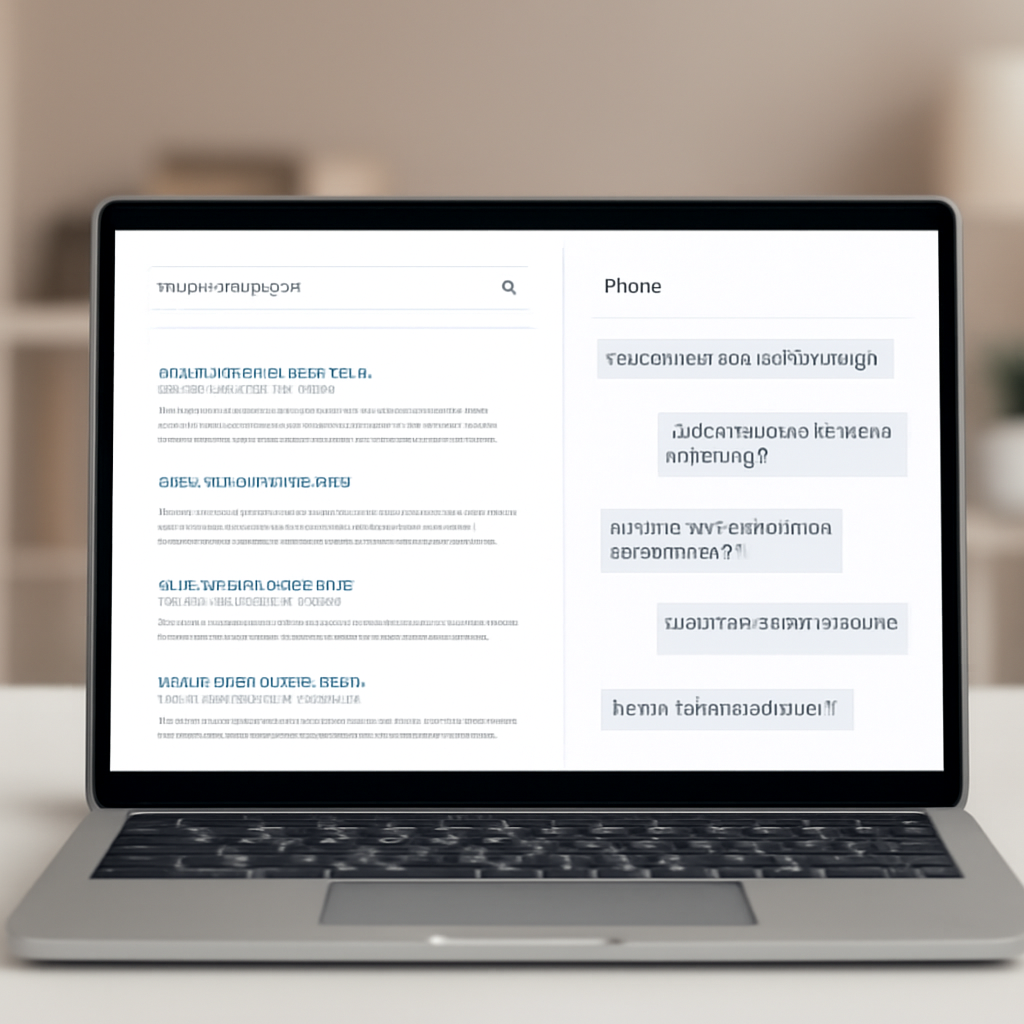
Bing is Microsoft’s web search service that has evolved from a link-and-keyword search engine into a hybrid platform combining traditional search ranking with conversational AI. Today, the experience pairs web-index signals and page results with an AI assistant that can summarize, draft, and follow multi-turn queries—making search more conversational and task-oriented.
How Bing combines classic search and generative AI
The core search engine still crawls and indexes the web, ranks pages by relevance, and returns traditional result pages. Layered on top of that is an AI assistant that interprets natural-language questions, synthesizes information from multiple sources, and produces conversational answers or step-by-step guidance. When appropriate, the assistant will return links and supporting evidence drawn from indexed pages so you can verify details yourself.
What users should expect
- Short queries still return classic search results; longer, exploratory requests can trigger an AI overview or a chat-style interaction.
- The assistant can perform multi-step tasks (summaries, comparisons, drafting emails or snippets) and preserve context across turns during a session.
- AI answers often include citations or links back to source pages so you can inspect the original material; for complex or high-stakes questions, cross-checking remains important.
Privacy and data handling
Bing’s conversational features are offered within product ecosystems that include consumer and enterprise tiers. Enterprise-oriented experiences typically provide additional data protections and options for administrators to control how organizational data is used. Personalization and memory features are available in some products but may be optional and controllable through account settings.
How Bing fits in the market
Bing remains a secondary search engine in many markets but retains a meaningful audience, especially through integration with desktop and browser ecosystems and partnerships that route traffic to its index. For many publishers and advertisers, it represents an important channel alongside other major search platforms.
Implications for advertisers and publishers
Search advertising on the platform continues to evolve for a more conversational era. Advertisers should adapt by crafting content and creative that work both for traditional result listings and for richer, intent-driven conversational queries. That means:
- Focusing on clear, authoritative landing pages that answer common customer questions.
- Using structured data and concise content so AI systems can identify and surface relevant facts.
- Testing ad copy and assets tuned for both short-query clicks and longer, AI-driven discovery journeys.
Practical tips
- When researching, use the AI assistant to get a condensed overview, then open cited links to verify primary sources.
- For privacy-conscious searches, review account and browser settings to limit personalization or memory features.
- If you manage ads or content, monitor how conversational queries affect traffic and consider FAQs, how-to pages, and clear metadata to capture AI-driven referral traffic.
Search is becoming more conversational, and Bing’s blend of ranked results plus an assistant-style interface is one example of that shift. Whether you’re a casual user, researcher, or marketer, learning how to use both the result page and the AI companion will help you find information faster and make better decisions about credibility and intent.

