
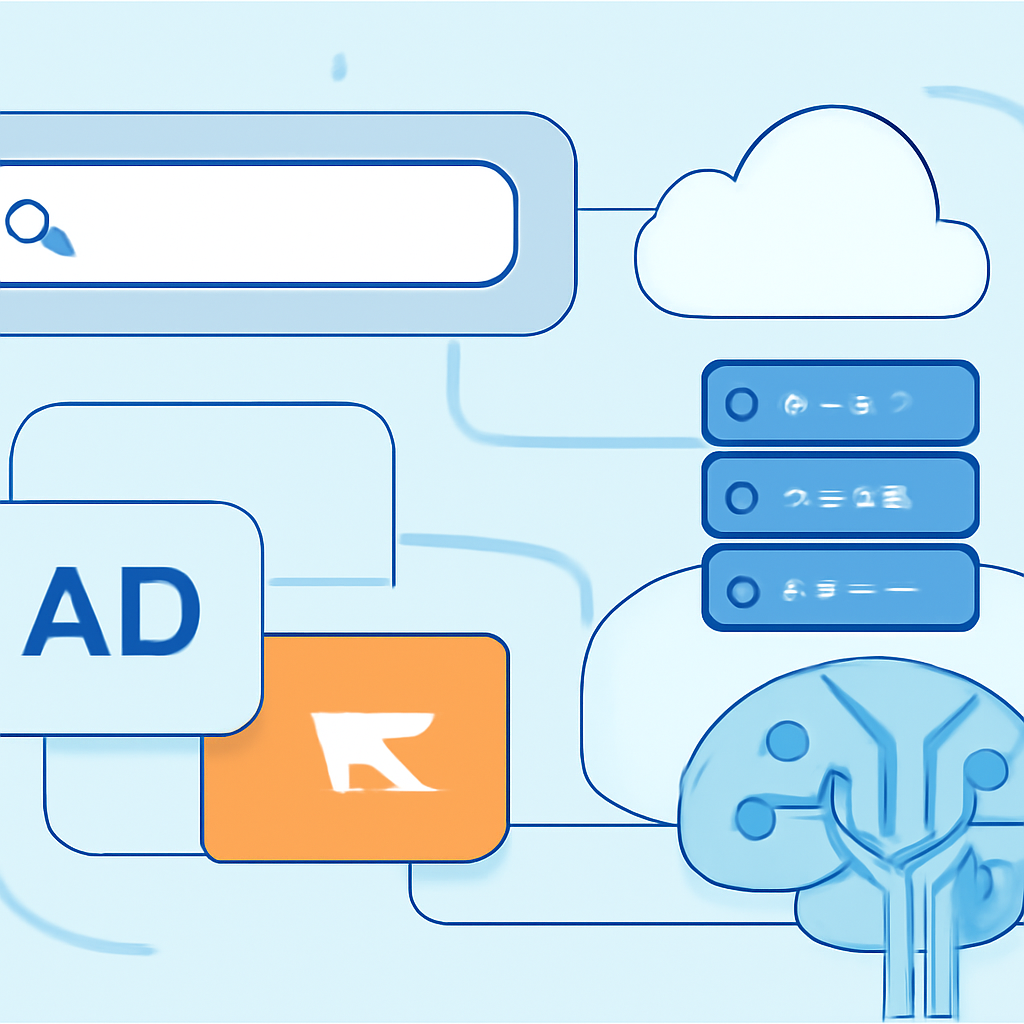
Google is both a search engine and a sprawling technology ecosystem. What most people experience is the familiar search box, but behind that simple interface sits a set of tightly integrated systems: indexing and ranking, large-scale advertising, platform services (Android, Chrome, Play), cloud infrastructure, and increasingly, large AI models that power features across products.
How Google finds and organizes information
At its core, Google crawls and indexes the public web, then ranks results using hundreds of signals to serve relevant answers quickly. Over time that ranking system has grown beyond classic keyword matching to include structured data, knowledge panels, maps, and AI-driven summaries—so queries can return direct answers, rich snippets, or visual and local results depending on user intent.
The business model: why ads still matter
Google monetizes much of its user attention through advertising. Businesses pay to place ads in search results, on YouTube, and across Google’s partner network. Those ad systems are highly automated: auction-based buying, programmatic placement, and large-scale measurement tools let advertisers bid for impressions and clicks that match their goals.
Product pillars and revenue streams
- Search and ads: the gateway people use to find answers and products.
- YouTube: a major destination for video advertising and subscriptions.
- Android, Chrome, Play: platform layers that connect devices, apps, and distribution.
- Google Cloud: enterprise infrastructure, platform services, and tools for developers.
- Devices and subscriptions: Pixel phones, Nest, Google One storage tiers, and other paid consumer services.
Together these pillars make Google both a consumer-facing product company and an enterprise services provider—which is why its reporting groups often separate consumer-facing ‘Google Services’ from Google Cloud and other bets.
AI’s role: models to features
Google has shifted heavily into AI in recent years, building large multimodal models that can read text, analyze images and audio, and generate creative outputs. Those models are being embedded into Search, Workspace, Assistant, and the standalone AI experience so users can get summaries, draft content, generate images, and automate multi-step tasks.
Google also offers paid tiers and developer access for higher-capacity AI models, and it integrates on-device and cloud-based AI to balance performance, privacy, and cost across phones, web apps, and enterprise services.
Structure and scale
Google operates as a major business unit inside a larger holding company. Over time the business has grown into a global enterprise that reports revenues across consumer services, cloud, and experimental businesses—making it one of the largest technology platforms by revenue and infrastructure footprint.
What readers should take away
Google is not a single product: it’s a platform of search, advertising, cloud services, consumer devices, and AI capabilities. Search and advertising remain the financial backbone that funds broad investments, while cloud and AI are areas of rapid growth and strategic focus. For users and businesses, that means Google will continue to deliver familiar search and productivity tools while increasingly offering AI-driven, subscription, and cloud services that extend what those products can do.

