
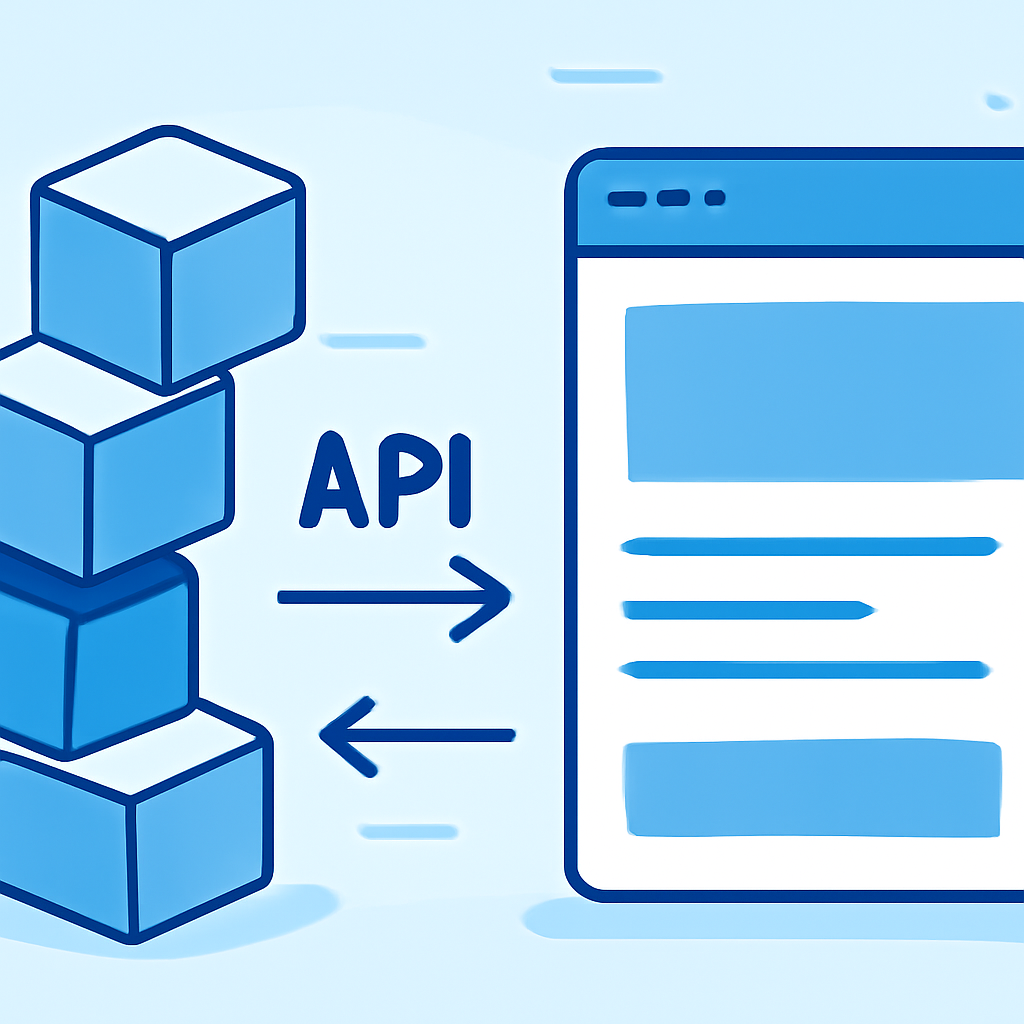
Drupal is an open-source content management system built and maintained by a global community. It provides a flexible foundation for publishing structured content, building data-driven applications, and supporting complex editorial workflows. Unlike single-purpose site builders, Drupal treats content and structure as modular building blocks you can combine, extend, and expose via APIs.
What makes Drupal different
At its core Drupal emphasizes modularity and extensibility. Content is modeled with reusable entity types (for example nodes, users, taxonomy terms) and fields, which makes it well suited to sites that require custom content models, multi-channel delivery, and fine-grained permissions. The platform includes a package of core features—content authoring, user roles, multilingual support and caching—while a large ecosystem of modules and distributions lets teams add search, personalization, e-commerce, or integration functionality as needed.
When Drupal is a good choice
- Complex content models and workflows: projects that require structured content, editorial states, or multi-author workflows.
- Enterprise and high-traffic publishing: organizations that need scalable architecture, strong access controls, and integration with existing systems.
- Multi-channel or decoupled delivery: when the same content must feed mobile apps, single-page apps, and other channels through APIs.
- Regulated or security-sensitive environments: where control over hosting and update policies matters.
Headless and API-first options
Drupal can be used as a traditional coupled CMS (managing both content and presentation) or as a headless/decoupled backend that exposes content through standard APIs. A built-in JSON-based API and other modules make it straightforward to deliver content to modern front ends or external services while preserving editorial capabilities in Drupal’s admin UI.
Release cadence and maintenance
Drupal follows a predictable release and maintenance approach that supports a continuous upgrade path between major versions. That model reduces large, disruptive upgrades by focusing on backward-compatible improvements and regular minor releases. Because of this cadence, keeping contrib modules, themes, and platform dependencies up to date is an important part of long-term health: planned updates, a staging environment, and automated testing make upgrades much safer.
Trade-offs to consider
Drupal’s flexibility brings complexity. Building and maintaining a Drupal site typically requires developer resources (for custom content types, integrations, or advanced theming) and disciplined release management. For small brochure sites or quick prototypes, lighter-weight site builders or managed headless platforms can be faster to launch. For organizations that need control, extensibility, and enterprise features, Drupal remains a strong option.
Practical next steps
- Define content structure and editorial needs before choosing a stack.
- Prototype the most important user flows (authoring, publishing, API consumption) early.
- Plan hosting and update processes: managed Drupal hosts or well-architected self-hosted environments reduce operational burden.
- Keep core, modules, and third-party dependencies current and test upgrades in a staging environment.
Drupal combines a mature core, a vibrant contributor community, and modern API capabilities. When a project demands structured content models, integrations, or enterprise-grade controls, Drupal’s modular approach and extensibility make it a compelling long-term platform—provided the organization is prepared to invest in maintenance and skilled implementation.

