
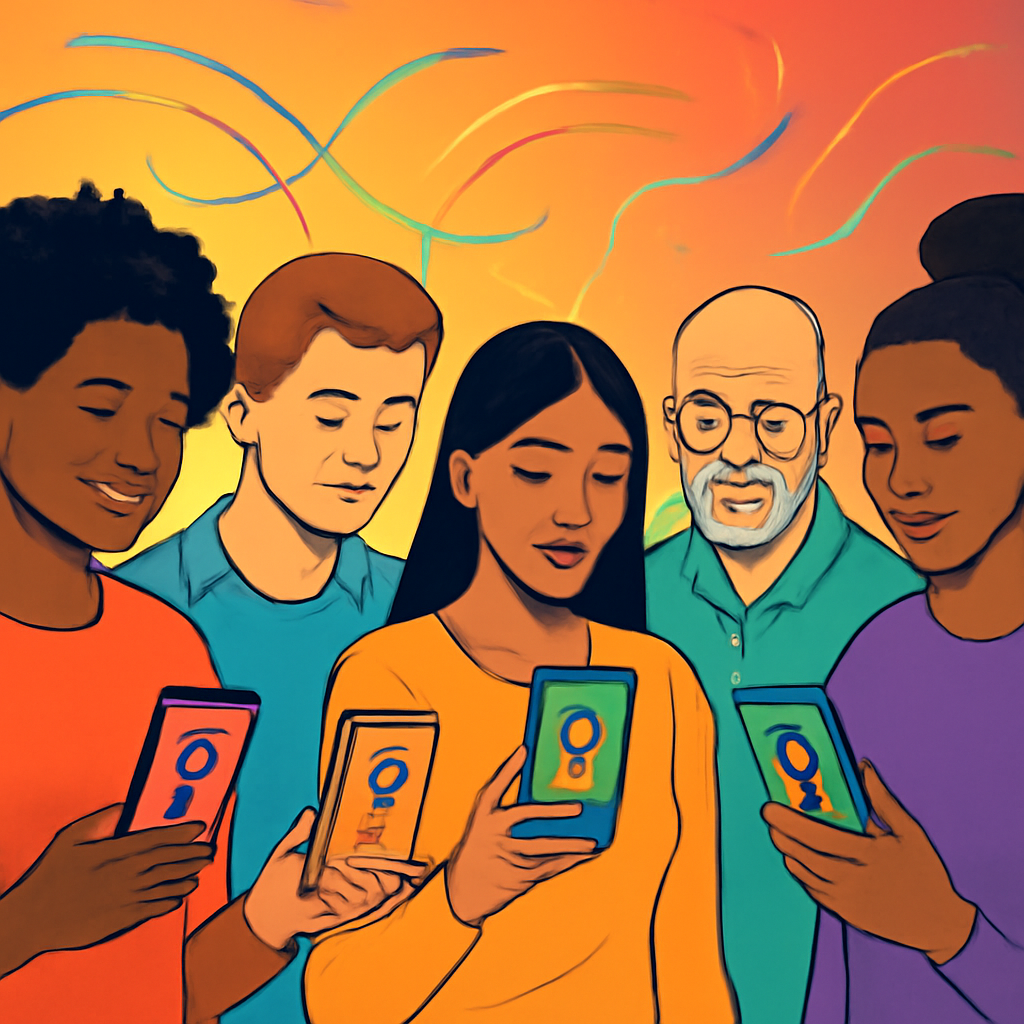
TikTok is a short‑form video platform built around a single powerful idea: make discovery immediate and personal. Instead of relying mainly on who you follow, the app uses a recommendation engine to surface a continuous feed of videos chosen to match each viewer’s tastes. That makes it easy for new creators to reach big audiences, and for viewers to find highly relevant clips within minutes of using the app.
How recommendations are made
The For You feed is driven by a machine learning recommender that ranks videos for each account. It looks at signals such as watch time and re‑watches, likes, shares, follows, comments, captions, sounds and hashtags, and modestly weighs device and language settings. Strong engagement signals carry more weight than passive ones; for example, finishing a longer video tells the system more about your interest than merely scrolling past it.
The system also intentionally mixes in diverse content — not every recommendation is narrowly targeted — to avoid repetitive “filter bubble” results and to help users discover new creators and formats.
Who runs TikTok and why that matters
TikTok originated with ByteDance and grew rapidly into a global platform with hundreds of millions of users. Because of the scale and the data it handles, the app has been the subject of sustained policy and regulatory scrutiny in multiple countries. In some markets, ownership and data‑control arrangements have changed or been negotiated to address national security and privacy concerns. Those changes affect where user data is stored, who controls access to algorithms and how oversight is carried out.
How creators make money
Creators typically combine several income streams: platform programs that pay creators directly (tips, paid badges, in‑app rewards and revenue‑share tests), brand deals sourced through marketplaces or direct outreach, and social commerce such as product links and storefronts. Live streaming and virtual gifts remain important for many creators, and direct commerce (selling products or affiliate links) can be the most consistent path to scale because it converts reach into sales.
Safety, privacy and age limits
TikTok provides layered controls: account privacy settings, comment and duet controls, screen time and restricted mode, plus separate rules for underage accounts. Platforms like this balance ease of discovery with content moderation and safety tools; users and guardians should make use of privacy settings, watch history controls and built‑in restrictions if they are concerned about minors or sensitive material.
Practical tips for users and creators
- Influence your feed: use the Not Interested option, follow accounts you like, and engage more with the content you want to see.
- Make content that rewards watch time: longer, engaging openings that keep people watching generally perform better for the recommender.
- Diversify income: combine direct platform payouts with brand work and product sales to reduce reliance on any single program.
- Check settings regularly: review app permissions, linked accounts and privacy controls, and use family pairing or restricted mode for younger users.
Understanding TikTok means understanding three constant forces: an algorithm built to personalize discovery, a creator economy powered by multiple revenue paths, and public scrutiny that shapes how the app handles data and moderation. For most users, the result is a highly engaging entertainment service — for power users and creators, it’s a platform where small, smart changes to content and settings can produce outsized results.

