
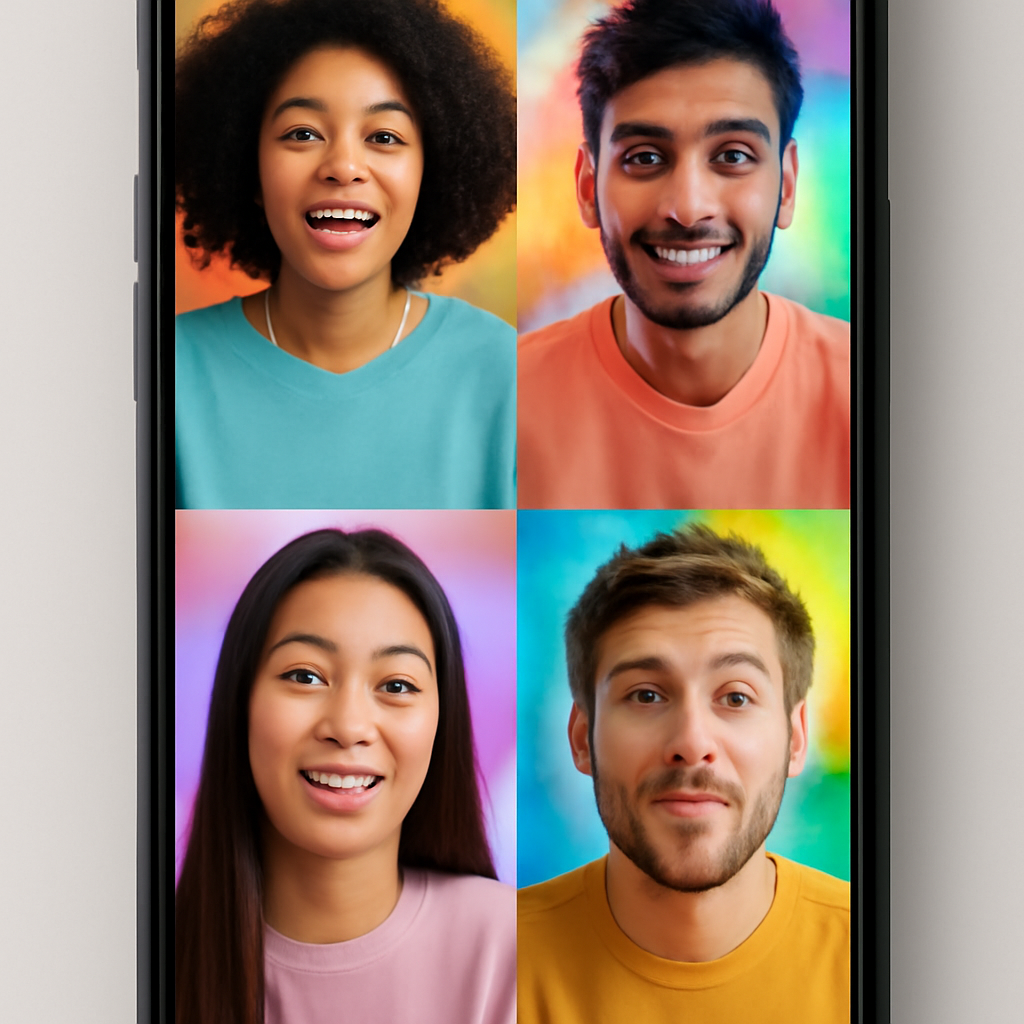
TikTok is a short-form video platform built around a powerful recommendation engine and easy-to-use creation tools. It rose rapidly because it lowers the technical barrier to making engaging clips, emphasizes sound and editing effects, and delivers content people want to watch through a personalized scrolling feed.
How the app recommends content
The heart of TikTok is the “For You” feed, a ranked recommendation system that scores videos for each viewing session. The system blends three broad signal groups: user interactions (likes, shares, watch time), video information (captions, sounds, hashtags), and device or account settings (language, device type, location). Each new video is evaluated largely on its own merits rather than relying only on the creator’s follower count, which helps new accounts break through when a clip resonates.
Key features creators and audiences use
- Short vertical videos with in-app camera, filters, and sound libraries that make quick editing easy.
- Tools for trends: duet/stitch (collaborative formats), challenges (hashtag-driven participation), and an ever-changing set of effects and audio snippets.
- Longer uploads and livestreaming options for deeper tutorials, events, or commerce-driven streams.
- Commerce integrations and ad formats that let brands run native video ads, shoppable posts, and creator partnerships.
Why TikTok spread faster than many platforms
Several practical design choices accelerated adoption: a full-screen, frictionless viewing experience; an algorithm that quickly surfaces content tailored to micro-interests; music and meme culture baked into content creation; and a low barrier for discovery so that unknown creators can reach millions.
Practical tips for creators and businesses
- Focus on the first 2–3 seconds to earn an initial watch—early engagement heavily influences whether the algorithm pushes a clip further.
- Use sound and native editing: trending audio and built-in effects increase the chance of getting picked up by the feed.
- Post consistently and test formats: experiment with short hooks, quick tutorials, behind-the-scenes, and sequential “part” videos to see what gains traction.
- Prioritize authentic storytelling over polished ads; on this platform, relatable content typically outperforms overtly produced spots.
Safety, privacy, and regulation — what to know
TikTok has faced scrutiny from regulators and lawmakers about data access and influence because of its corporate ties and scale. In several jurisdictions the platform’s operations and ownership structure have been subject to regulatory review and, in some cases, restructuring to address national-security or data-protection concerns. The app also provides moderation and safety tools, parental controls, and guidance for responsible use, but users and organizations should stay informed about local rules and platform updates.
Is TikTok right for you?
If your goals are discovery, cultural relevance, and reaching younger or highly engaged audiences, TikTok is a leading option. The platform rewards creativity and consistent testing. For businesses with compliance needs or specific audience targets, pair TikTok activity with measurement and guardrails—clear content policies, data-handling checks, and careful use of creator partnerships.
Whether you’re a hobby creator or a brand marketer, success on TikTok is a mix of fast iteration, attention to short-form storytelling, and learning from audience signals the platform gives you in real time.

