
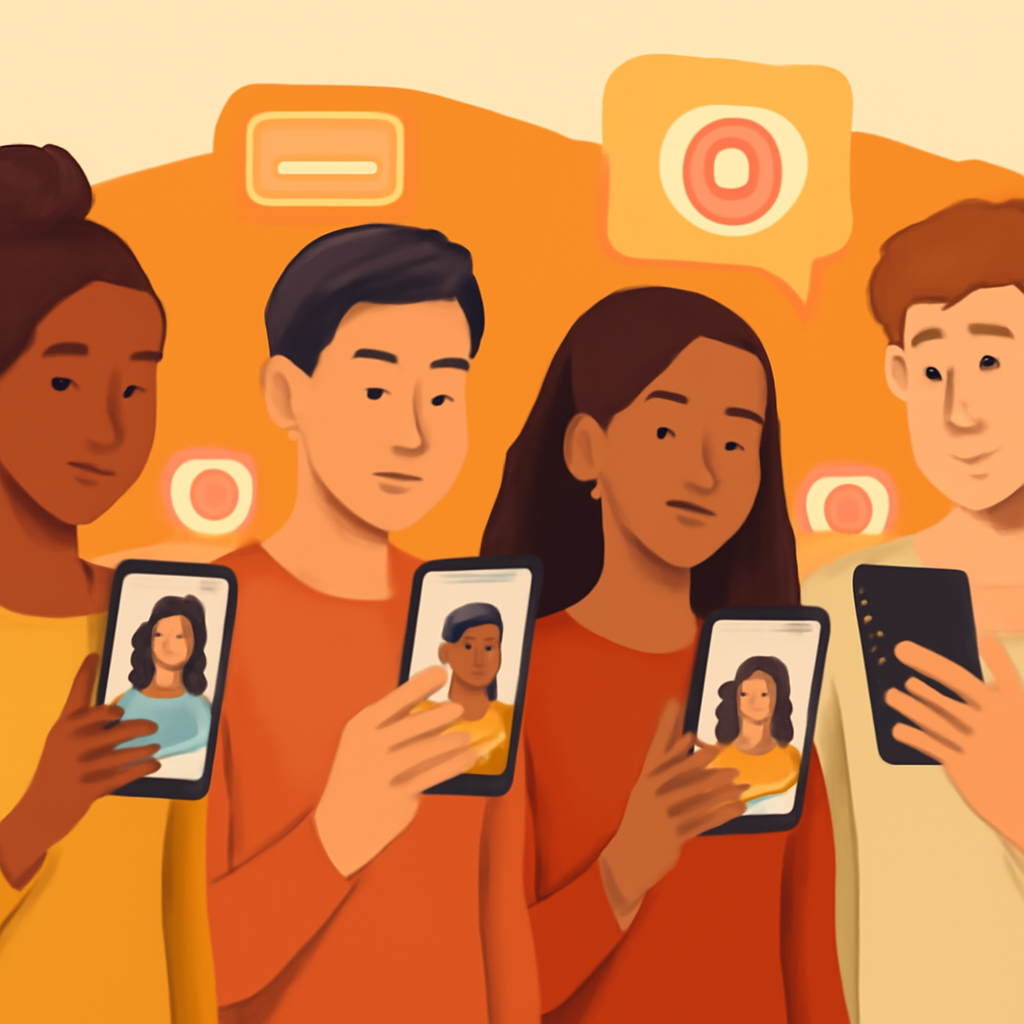
TikTok is a short-form video platform that blends easy creation tools, social interaction, and a powerful recommendation engine to surface content users find compelling. It’s shaped how people discover music, learn skills, follow trends, and buy products—often by turning a single clip into a global moment overnight.
What TikTok does
At its core TikTok offers a scrollable feed of vertical videos, short editing tools (clips, filters, captions, and sounds), and social features like comments, follows, and direct messages. The app emphasizes discovery over follower networks: many users spend most of their time on a personalized “For You” stream where creators they don’t follow can reach them.
How the recommendation system works
TikTok’s recommendation engine ranks millions of candidate videos for each viewing session to predict what a given user will enjoy. The platform relies on a mix of signals:
- User interactions — likes, shares, comments, follows and especially watch behavior (completion, rewatches, how long someone watches).
- Video information — captions, hashtags, audio and visual features that help categorize content.
- Device and basic account settings — language, region and device type (these have lower weight than engagement signals).
Videos are often tested on small, diverse audiences and promoted more widely if they show strong engagement—particularly sustained watch time. Because of this emphasis on attention, short, tightly edited clips that hook viewers quickly tend to outperform longer or slower-building content.
Ownership, data and U.S. changes
TikTok was developed by a company headquartered in China, and ownership questions have shaped policy debates in several countries. In response to those concerns, a new U.S. corporate structure was announced and implemented to change how American user data and platform controls are managed; the transition and associated safeguards were completed through a majority-American joint venture on January 22, 2026. That arrangement aims to keep U.S. user data and certain platform controls under U.S.-based governance while the original parent retained a minority stake.
Alongside corporate changes, the platform has pursued specific technical and contractual measures designed to localize U.S. user data and introduce monitoring and access controls intended to address national security and privacy questions.
Safety and parental controls
TikTok offers a suite of safety tools: account privacy settings, Restricted Mode for filtering mature content, screen-time limits, and Family Pairing, which lets parents link to a teen’s account to manage screen time and messaging settings. These tools are practical first steps for households that want to limit exposure or usage time.
Why creators and businesses should care
TikTok’s combination of discoverability and commerce tools makes it uniquely powerful for creators, small businesses, and brands. A single well-performing clip can reach millions, and the platform has developed integrated shopping and ad products to convert attention into sales. For creators, the algorithm’s responsiveness means consistent quality and attention to early watch-time signals often matter more than follower count.
Practical tips for users
- Manage privacy: set your account to private if you prefer, review who can comment or message you, and use Restricted Mode or Family Pairing for teens.
- Hook viewers early: the first 1–3 seconds matter—state the value or surprise right away.
- Prioritize completion: edit tightly so viewers watch through; rewatches and completions boost distribution.
- Use trends thoughtfully: relevant sounds and hashtags help discovery but don’t sacrifice clarity.
- Limit screen time: enable in-app Digital Wellbeing tools or use device-level timers to control usage.
TikTok is both a creative playground and a highly optimized attention machine. Understanding how recommendations, ownership arrangements, and safety features interact helps users and creators make better choices about privacy, content, and time spent on the app.

